Define the growing goal
Decide whether you need seed starting, shoulder-season protection, overwintering, or active year-round control. A cold frame, row cover, or high tunnel may meet the goal without a fully equipped greenhouse.

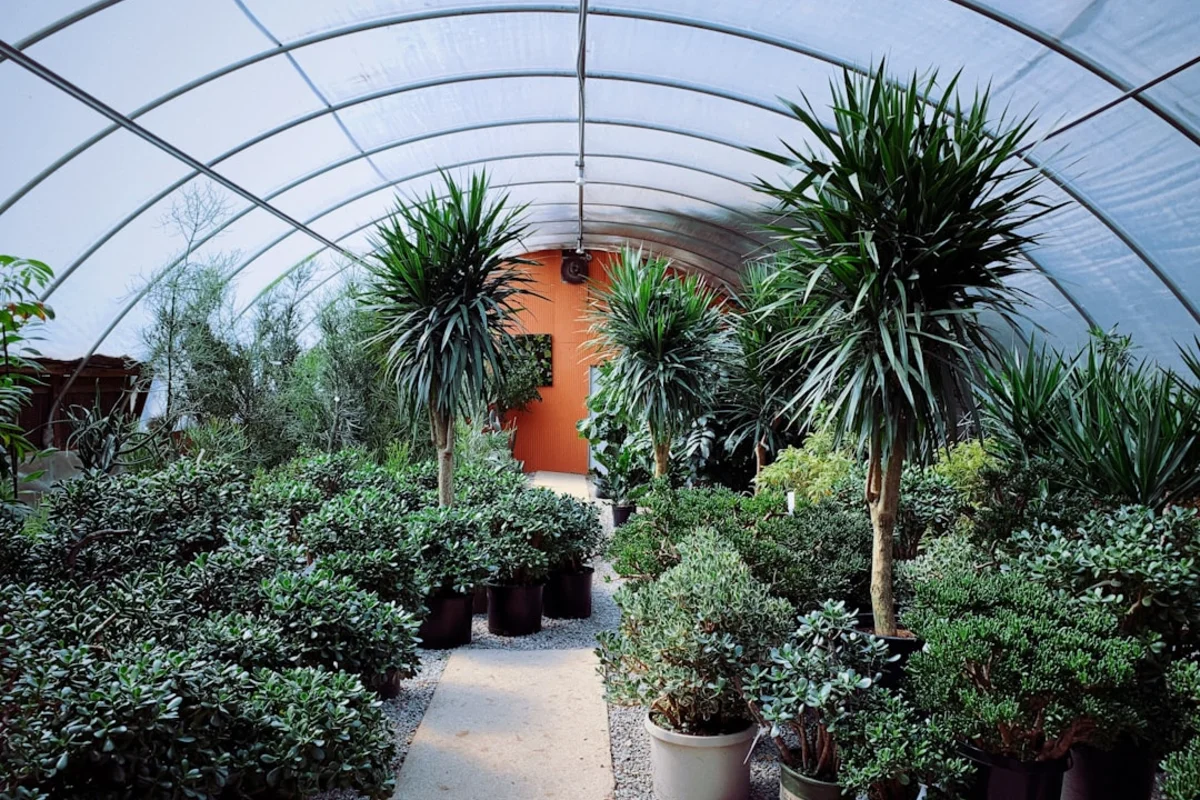
Use evidence-linked guides and transparent planning tools to compare structures, sites, environmental controls, and budget scenarios before requesting local quotes.
A greenhouse can extend a season or support controlled growing, but results and costs depend on the crop, local weather, available light, structure, and systems you can maintain.
Decide whether you need seed starting, shoulder-season protection, overwintering, or active year-round control. A cold frame, row cover, or high tunnel may meet the goal without a fully equipped greenhouse.
Check seasonal sun, wind exposure, cold-air drainage, level and well-drained ground, access, runoff, snow and wind loads, and the route for water or power before choosing a kit.
Compare one consistent specification, including delivery, anchors or foundation, drainage, installation, controls, utilities, approvals, energy, maintenance, and replacement coverings.
Primary planning sources
Start with the usable interior layout. Product names and exterior dimensions do not tell you how much space remains after walls, shelves, beds, doors, and aisles.
| Example format | Possible use | Verify before choosing |
|---|---|---|
| Cold frame or window unit | Hardening seedlings or protecting compact cool-season crops | Lid access, daytime venting, anchoring, and frost response |
| Compact walk-in, such as 6×8 or 8×10 | A small bed or bench layout for seasonal hobby growing | Interior dimensions, aisle and door clearance, vents, anchors, and reach |
| Mid-size walk-in, such as 8×12 or 10×12 | Multiple crop zones, trellising, benches, or a small work area | Foundation, drainage, water, power, circulation, and local structural loads |
| Larger or custom structure | Wider workflows, equipment, staging, or production-oriented layouts | Zoning, permits, engineering, utilities, drainage, labor, and operating costs |
An enclosure changes the growing environment; it does not remove crop-specific light, temperature, airflow, water, and pest-management requirements.
| Planning condition | Crop candidates | Main constraint |
|---|---|---|
| Cool shoulder season | Lettuce, spinach, radish, carrots, peas, and onions | Monitor air and soil temperature; vent rapidly on sunny days |
| Warm and bright conditions | Tomatoes, peppers, and cucumbers | Adequate light and stable warmth may require active systems in winter |
| Seed-starting space | Transplants for later outdoor planting | Light quality, airflow, sanitation, watering, and hardening-off space |
| Tender-plant overwintering | Container plants suited to the target minimum | Heat-loss calculation, backup planning, humidity, and disease scouting |
See Utah State University Extension's season-extension guidance for cool- and warm-season planning context.
Use specifications, limitations, maintenance needs, and current seller information to compare formats. Verify availability, price, warranty, and included parts before buying.
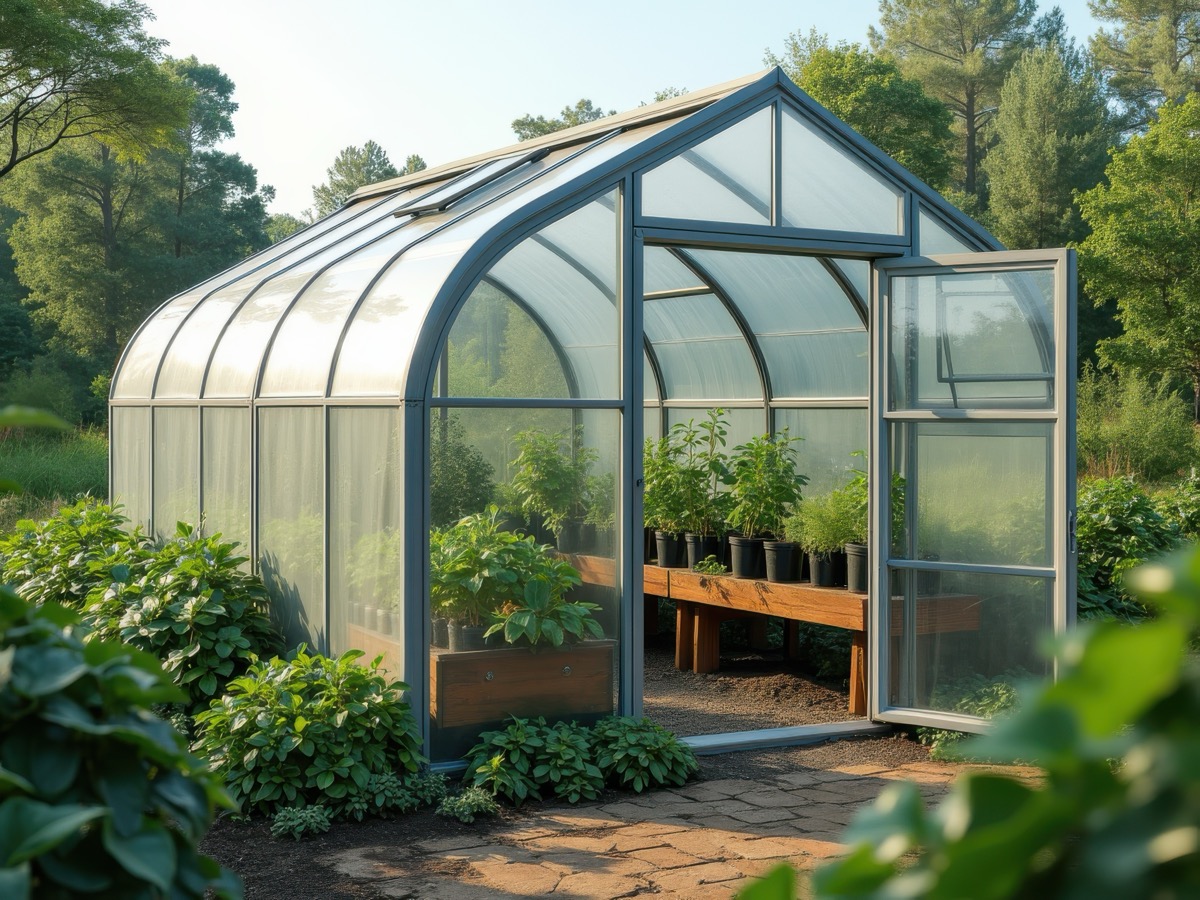
Compare usable footprint, frame and covering specifications, ventilation, doors, anchoring, and warranty terms.
Read guide →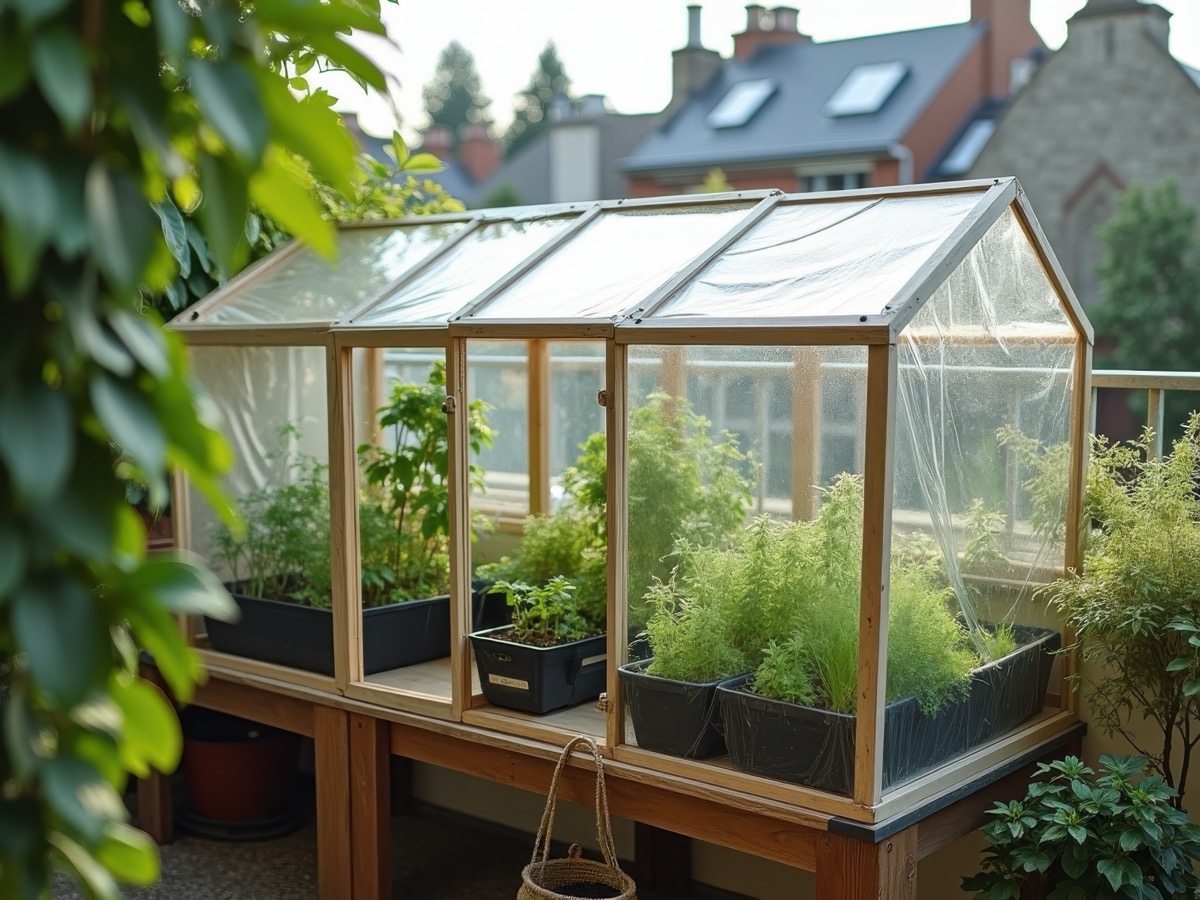
Compare compact covers, shelves, access, ventilation, anchoring, replacement parts, and realistic seasonal uses.
Read guide →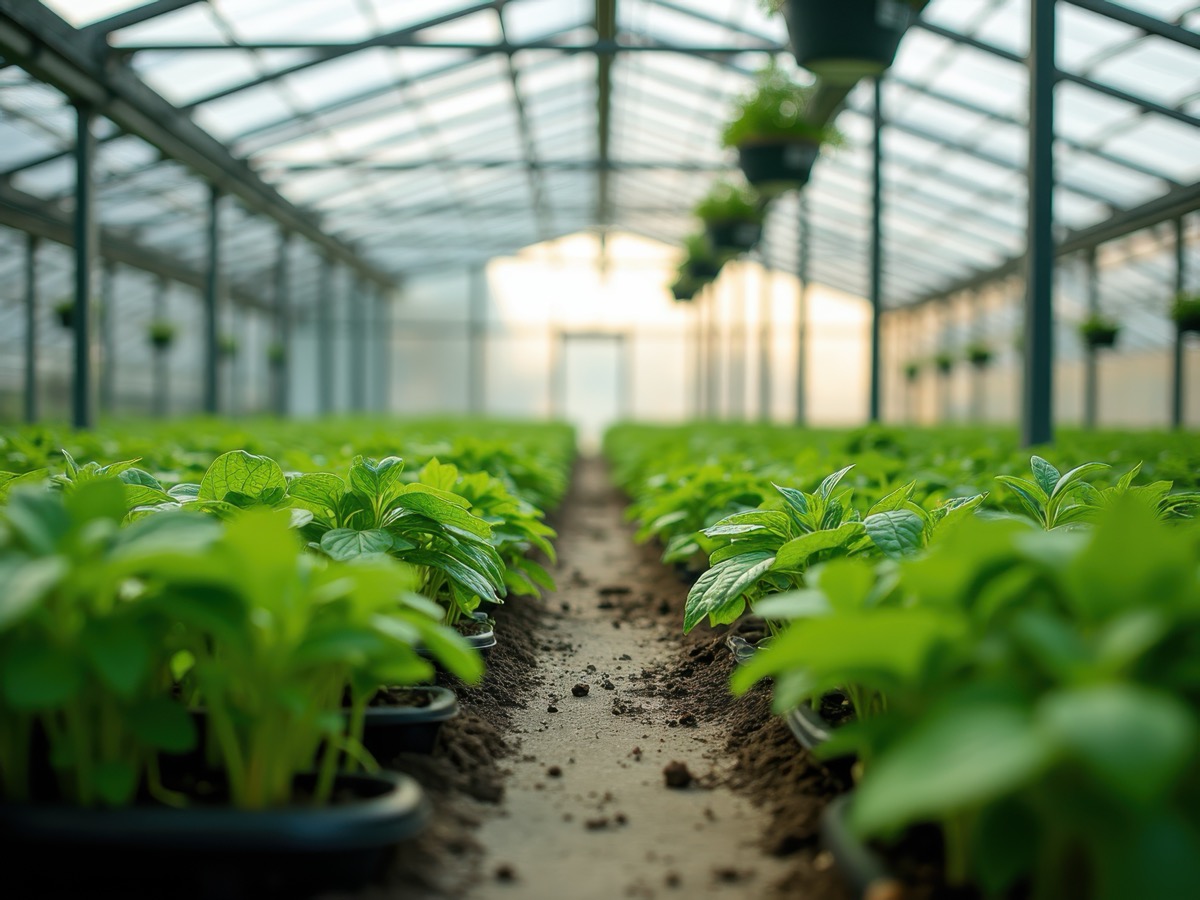
Turn crop goals, climate, site, access, systems, and maintenance needs into a quote-ready specification.
Read guide →Work from crop and site requirements toward a specification that suppliers, installers, and local authorities can review.
Define crops, season, site, layout, access, structure, and systems before comparing products.
Understand how surface area, glazing, temperature difference, wind, and leakage drive heat loss.
Plan venting, circulation, controls, and summer heat management for the actual structure and climate.
Explore assumptions and scenarios, then replace modeled inputs with measured values and local quotes.
These tools create planning scenarios, not quotes, engineering designs, or guaranteed outcomes. Review their assumptions and verify the result locally.
Build a provisional range from disclosed structure, covering, site, system, and labor allowances, then create a local quote checklist.
Plan Costs →Explore a starting footprint from crop and layout inputs, then check actual interior dimensions, access, ventilation, and site limits.
Explore Size →Examine how dimensions, covering, climate, target temperature, and fuel assumptions affect a preliminary heating estimate.
Explore Heat →Document the crop goal, site constraints, layout, structure, systems, exclusions, and questions you need suppliers or local authorities to answer.
There is no reliable universal average. Total project cost changes with size, frame and covering, foundation and drainage, ventilation or heating, utilities, labor, permits, freight, and local conditions. Treat online figures as planning inputs and replace them with itemized local quotes.
Sources: Utah State University Extension, Oklahoma State University Extension
They can, but an unheated structure does not guarantee frost-free or year-round production. Crop needs, local lows, day length, glazing, wind, and backup systems determine what is practical. In cold climates, warm-season winter crops may require supplemental heat and light.
Sources: Utah State University Extension, University of Alaska Fairbanks Cooperative Extension
Start with the crops, benches or beds, working aisle, doorway, and equipment you actually need. A cold frame or small seasonal structure may meet a seed-starting goal; a walk-in structure needs enough width for comfortable reach and access. Larger structures cost more to build and operate.
Sources: Utah State University Extension, Oklahoma State University Extension
That is a personal planning decision, not a guaranteed payback calculation. Compare your crop and season goals with the full installed price, energy use, maintenance, replacement coverings, and time. A cold frame, row cover, or high tunnel may be the better fit when full environmental control is unnecessary.
Sources: Utah State University Extension, Oklahoma State University Extension
Match crops to the conditions you can maintain. Cool-season crops such as lettuce and spinach tolerate lower temperatures, while tomatoes, peppers, and cucumbers need warmer conditions and sufficient light. Monitor both air and soil temperature rather than relying on the enclosure alone.
Sources: Utah State University Extension
Estimate heat loss from the exposed surface area, the covering material’s U-value, and the difference between the target indoor temperature and local design low. Then account for wind and air leakage and have the heater output checked for the real structure and fuel available.
Sources: University of Alaska Fairbanks Cooperative Extension
Compare light transmission, heat retention, impact resistance, longevity, maintenance, and installed cost. The best choice depends on climate and structure; covering labels should be checked for actual layer count, warranty, and thermal properties.
Sources: University of Alaska Fairbanks Cooperative Extension
Spacing is crop- and training-specific. Lay out beds or benches using the seed or extension spacing for each crop, keep side benches within comfortable reach, and size aisles for the people and equipment that will use them.
Sources: Oklahoma State University Extension